

The Architecture of Adaptability: Why the Four Cs Are Only the Beginning
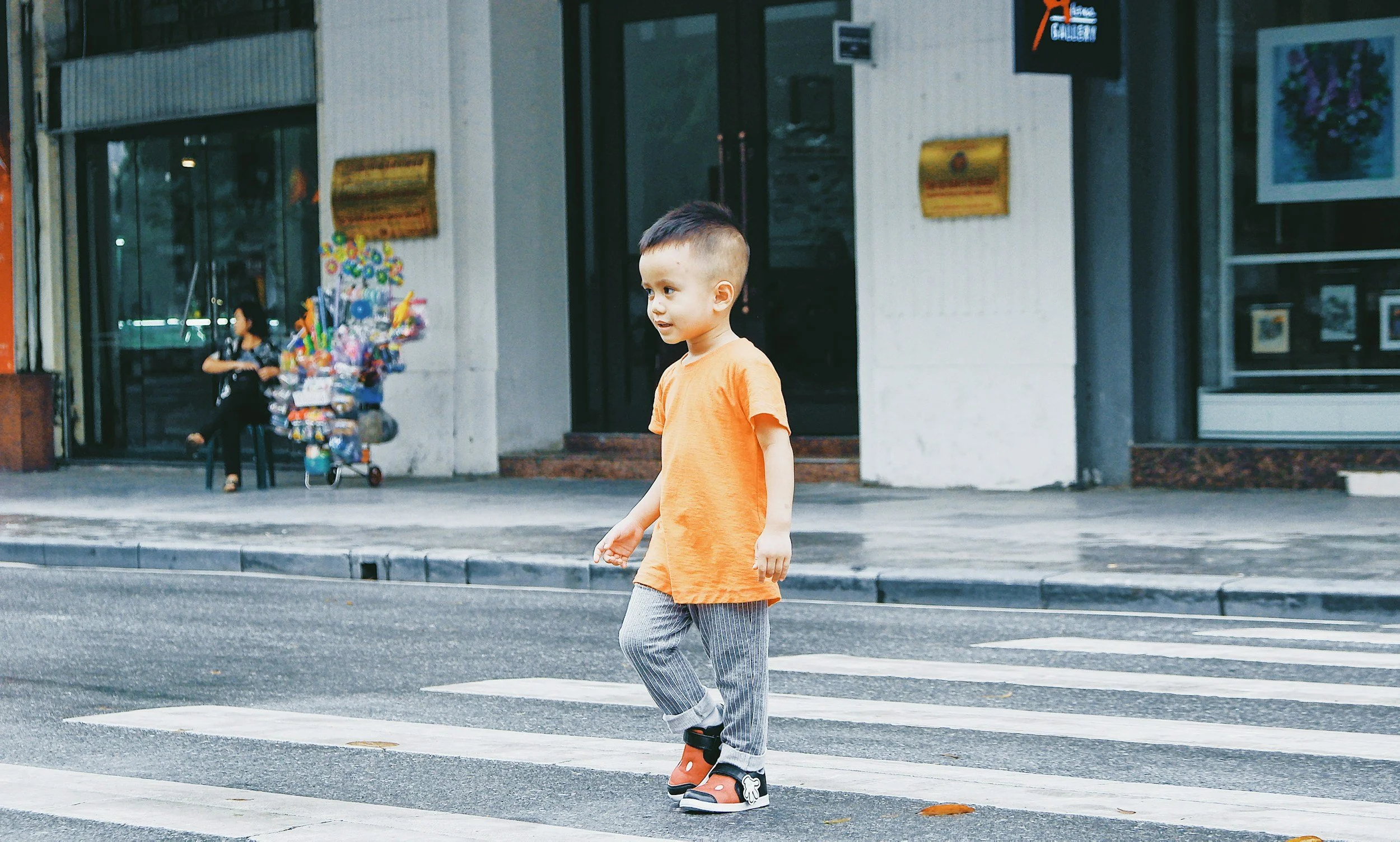
Picture this: your child graduates in 2035. They enter a job market where nearly 40% of today's essential skills have become obsolete, where artificial intelligence handles routine tasks, and where the most valuable human abilities centre on navigating complexity, building relationships, and solving problems that don't yet exist.
The question is, are we preparing them for this reality?
This isn't speculation, it's what leading researchers and organisations like the World Economic Forum tell us about our rapidly evolving future. In this piece, we'll explore why the celebrated "Four Cs" of 21st-century education (Critical Thinking, Communication, Collaboration, and Creativity) represent crucial progress but fall short of what children truly need. We'll examine the real-world impact of each skill, explain why Young Trees advocates for six core competencies rather than four, and show how this approach is already transforming classrooms, reducing teacher overwhelm, and dramatically improving outcomes for all learners, including those with SEND needs.
This analysis draws on peer-reviewed research, global workforce studies, and classroom data, not on educational trends or opinions. Every claim is supported by evidence you'll find referenced at the end.
The Learning Production Crisis: From Factory to Future
The mid-20th century educational model served its purpose: creating a literate, disciplined workforce for stable industrial jobs. Today, that approach collides violently with reality. Children entering school now will work in jobs that don't exist yet, using technologies still being invented, solving problems we haven't anticipated.
According to the World Economic Forum's 2025 Future of Jobs Report, the skills gap isn't just growing, it's accelerating. This is why educators worldwide have embraced the Four Cs as the new foundation of learning. But are they sufficient?
The Four Cs: Essential But Incomplete
Critical Thinking: From Compliance to Judgment
What schools often teach:
Find the answer the teacher expects. Follow predetermined steps. Value speed and accuracy above exploration.
What the real world demands:
Navigate ambiguity. Evaluate incomplete information. Make sound decisions under uncertainty.
Real-world impact for children:
A 12-year-old who develops genuine critical thinking skills doesn't just perform better on tests; they become a teenager who can recognise misleading social media posts, evaluate conflicting advice from friends, and make thoughtful decisions about their future. As adults, they become employees who spot potential problems before they escalate, citizens who engage thoughtfully with complex political issues, and parents who model reasoning rather than reactivity.
Consider this:
Analytical thinking now ranks as the #1 skill employers seek, yet most schools still reward convergent thinking, arriving quickly at predetermined "correct" answers. Children who learn to question, analyse, and iterate don't just become better students; they become more resilient, independent, and capable human beings.
Communication: Beyond Performance to Connection
What schools often teach:
Formal presentations. Standardised writing formats. Speaking louder to be heard.
What the real world demands:
Translate between human needs and technical possibilities. Build understanding across differences. Navigate emotional complexity in professional settings.
Real-world impact for children:
A child who develops nuanced communication skills becomes a teenager who can advocate effectively for themselves, build genuine friendships across social differences, and express their needs clearly to adults. Professionally, they become the team member who prevents conflicts before they start, the leader who inspires rather than commands, and the innovator who can explain complex ideas to diverse audiences.
Consider this:
As AI handles routine writing and technical output, human value increasingly lies in our ability to create understanding, build trust, and navigate the emotional landscape of collaboration. Most professional failures aren't technical; they're relational.
Collaboration: From Competition to Ecosystem Thinking
What schools often teach:
Individual achievement. Competition over cooperation. "Don't look at your neighbor's paper."
What the real world demands:
Diverse perspectives accelerate problem-solving. Shared ownership improves outcomes. Mutual support enables everyone's success.
Real-world impact for children:
Children who truly learn collaboration don't just work well in groups; they become adults who can build effective teams, navigate workplace politics with integrity, and create environments where others thrive. They understand that their success and others' success aren't competing interests but mutually reinforcing possibilities.
These individuals become managers who develop their teams' strengths, community members who organise effective local initiatives, and parents who model cooperation over control. In our interconnected world, collaborative skills directly predict career advancement and life satisfaction.
Creativity: The Automation-Proof Advantage
What schools often teach:
There's a right way to approach problems. Follow instructions precisely. Avoid mistakes.
What the real world demands:
Generate novel solutions. Reframe problems when first approaches fail. Adapt quickly to unexpected challenges.
Real-world impact for children:
A child who develops genuine creativity becomes a teenager who can pivot when their original university plans change, find innovative solutions to social conflicts, and discover unique ways to contribute to their community. As adults, they become employees who drive innovation, entrepreneurs who create new possibilities, and individuals who maintain hope and possibility even in the face of significant challenges.
Creativity isn't just about art; it's the foundation of resilience. When automation handles routine tasks, creative problem-solving becomes the distinctly human contribution that drives progress.
Beyond the Four Cs: Why Young Trees Advocates for Six
While the Four Cs create a strong foundation, real-world adaptability requires two additional pillars that transform how all other skills function.
Emotional and Social Awareness: The Skill That Makes All Others Usable
What this looks like in practice:
Children learn to recognise their own emotional states, understand others' perspectives, and navigate social dynamics with empathy and skill.
Real-world impact for children:
Without emotional intelligence, critical thinking becomes brittle under pressure, communication becomes transactional, and collaboration breaks down when tensions arise. Children who develop these skills become adults who can:
Lead teams through difficult transitions
Maintain relationships during conflicts
Make decisions that consider both logical and emotional factors
Create psychologically safe environments for others
Regulate their own stress and support others in managing theirs
Divergent Thinking: Beyond Single Solutions
What this looks like in practice:
Children learn to generate multiple possibilities, explore unconventional approaches, and resist the pressure to find one "right" answer quickly.
Real-world impact for children:
In a world of complex, interconnected challenges, the ability to see multiple pathways becomes essential. These children become adults who can:
Approach problems from fresh angles when traditional solutions fail
Generate options in situations that seem impossible
Help others move beyond either/or thinking toward creative alternatives
Drive innovation in their chosen fields
Maintain flexibility when circumstances change unexpectedly
The Classroom Reality: Why This Matters Now
The urgency isn't theoretical. Current classroom data reveals:
7 minutes lost per 30-minute lesson due to behavioural disruption
1 in 6 learners have identified SEND needs, yet most receive inadequate support
Teachers spend 3+ hours weekly creating differentiated resources
87% of teachers feel unprepared for diverse learning needs
SEND exclusion rates are six times higher than their peers
These aren't edge cases; they describe everyday reality. When children lack emotional regulation, collaborative skills, or meaningful engagement, teachers become reactive managers rather than proactive facilitators of learning.
Re-Engineering Learning Conditions
At Young Trees, we focus on creating conditions where all children can thrive, not forcing everyone through identical pathways at the same pace. Our approach centres on three principles:
Adult-Facing Technology: Children learn best through human interaction and hands-on exploration, not screens. Our tools empower educators and parents to create rich, personalised experiences.
Inclusive by Design: These skills manifest differently in every child. Multi-sensory scaffolding meets learners where they are, supporting diverse strengths and needs.
Growth Over Production: Instead of asking "What did you produce today?" we ask "How did you grow today?"
When the conditions align, like soil, light, and space for trees, every child grows. Not at the same speed, but with the strength and flexibility needed for an uncertain future.
The Path Forward
The choice isn't between traditional education and something entirely new. It's between preparing children for the world we knew and preparing them for the world they'll actually inhabit. The research is clear: children need more than the Four Cs to thrive in the decades ahead.
The question isn't whether these skills matter; it's whether we'll create the conditions for all children to develop them.
---
References
Dumont, H., & Ready, D. D. (2023). On the promise of personalized learning for educational equity. npj Science of Learning, 8(25).
Murnane, R. J., & Levy, F. (1996). Teaching the New Basic Skills: Principles for Educating Children to Thrive in a Changing Economy. New York: Free Press.
Pane, J. F., Steiner, E. D., Baird, M. D., & Hamilton, L. S. (2015). Continued progress: promising evidence on personalized learning. Santa Monica, CA: RAND Corporation.
Robinson, K. (2006). Do schools kill creativity? TED Talk by Ken Robinson.
UK Department for Education. (2024). Classroom disruption and learning time analysis.
World Economic Forum. (2025a). The Future of Jobs Report 2025. Geneva: World Economic Forum.
World Economic Forum. (2025b). Skills outlook, in The Future of Jobs Report 2025. Geneva: World Economic Forum.
Further Reading
For Parents
Accessible, inspiring resources that focus on whole-child development, resilience, and creating the right conditions for growth at home and school:
The Gardener and the Carpenter by Alison Gopnik
A powerful metaphor-driven exploration of child development that emphasises nurturing environments over controlling outcomes.How Children Succeed by Paul Tough
Examines how character, social-emotional development, and context shape long-term success.Mindset by Carol Dweck
A foundational look at how beliefs about learning influence motivation, resilience, and growth.Range by David Epstein
Makes the case for exploration, play, and breadth as key drivers of adaptability in an uncertain world.
For Educators
Research-backed frameworks and practical resources for building future-ready, inclusive, whole-child learning environments:
OECD — Education 2030 Framework
A global perspective on student agency, future-ready competencies, and holistic learning design.CASEL (Collaborative for Academic, Social, and Emotional Learning)
Evidence-based tools and research on social-emotional learning and its impact on academic and life outcomes.Harvard Graduate School of Education – Project Zero
Research and classroom resources focused on visible thinking, creativity, and deep understanding.