

History Education Is Missing What Matters Most

There is a growing gap between the complexity of the modern world and the way young people are prepared to understand it.
Across news, policy, and public debate, events are rarely isolated. They are shaped by long-term processes, overlapping causes, and competing interpretations. Yet many students leave school with a version of history that feels contained, selective, and largely national in focus. The issue is not simply how history is taught, but what is prioritised and how it is framed.
History is often presented as a sequence of events. In reality, it is better understood as a system of relationships.
The UK National Curriculum reflects this ambition. It states that history should help pupils understand “the complexity of people’s lives, the process of change, the diversity of societies and relationships between different groups” (Department for Education, 2013). At its best, history education develops the ability to interpret evidence, recognise perspective, and understand cause and consequence over time. Research in history education shows that these ways of thinking do not emerge automatically; they require explicit teaching and repeated practice (Wineburg, 2001; Seixas & Morton, 2013).
Without this, history risks becoming something that is remembered rather than something that is used.
One of the clearest problems lies in how key topics are framed.
The British Empire, for example, is widely taught, but often through a narrow lens. Students may learn about expansion, trade, and Britain’s global reach, yet less consistently explore the experiences of colonised populations, the economic systems that underpinned imperial power, or the long-term consequences that continue to shape global relationships. Historians have shown that imperial systems played a central role in shaping patterns of global inequality and political development (Darwin, 2009; Elkins, 2022). When this broader context is missing, contemporary issues such as migration or geopolitical tension can appear disconnected from their historical roots.
A similar pattern emerges in the teaching of migration. It is often presented as a modern or post-war phenomenon, rather than as a long-term historical process. In reality, migration into Britain is closely tied to imperial relationships, labour needs, and evolving legal frameworks. Understanding these connections helps to explain how modern Britain has been formed over time (Panayi, 2010). Without them, migration can seem sudden rather than historically embedded.
Even when topics are firmly established within the curriculum, such as the Industrial Revolution, the emphasis can remain narrow. Students typically learn about technological change and industrial growth within Britain, but less attention is sometimes given to the global systems of labour and resource extraction that made this growth possible. These systems continue to influence patterns of economic inequality today, yet the connection is not always made explicit.
The Cold War provides another example. It is often taught as a clearly defined historical period with a beginning and an end. However, many of the alliances, tensions, and regional conflicts that developed during that time continue to shape international relations. Without recognising this continuity, present-day events can appear fragmented or difficult to interpret.
Running through all of these examples is a deeper issue. History is constructed. It is shaped by perspective, selection, and interpretation. When students are not consistently exposed to multiple viewpoints or encouraged to question how narratives are formed, they may come to see history as fixed and neutral. This limits their ability to engage critically with both past and present.
Assessment structures can reinforce this limitation. The need to prepare students for examinations often places emphasis on recall, structured writing, and performance under time constraints. These skills have value, but they can come at the expense of deeper engagement with interpretation and analysis. For some learners, particularly those with dyslexia, ADHD, or processing differences, this creates an additional barrier. They may understand complexity but struggle to demonstrate that understanding within rigid formats.
These challenges do not remain within the classroom. They shape how individuals interpret the world as adults.
In a media environment characterised by rapid information flow and competing narratives, the ability to evaluate sources, recognise bias, and understand complexity is essential. Without a strong foundation in historical thinking, individuals may rely on simplified explanations rather than layered understanding. This is not a question of political stance, but of analytical capacity.
Inclusive history education therefore matters not only for equity within schools, but for the quality of public understanding more broadly. Approaches that provide multiple ways of accessing content, such as visual timelines, structured discussion, and alternative forms of expression, allow a wider range of learners to engage with complexity. The Universal Design for Learning framework highlights the importance of designing learning environments that support diverse learners in this way (CAST, 2018).
At Young Trees, the emphasis is on developing the ability to think, rather than simply to recall. In history, this means helping learners to explore relationships between events, engage with multiple perspectives, and connect past developments to present realities. It also means recognising that understanding does not always present itself in the same way for every learner.
The question shifts from what a student can remember to what they can make sense of.
History is not simply a record of what has happened. It is a way of understanding how the present has been shaped. If the curriculum presents a partial or disconnected picture, it limits that understanding. In a complex and interconnected world, history education must do more than describe the past. It must help learners interpret it.
What the UK History Curriculum Should Look Like Instead
If the problem with history education lies not only in how it is taught but in how it is structured, then improving it requires a shift in emphasis rather than an expansion of content.
The purpose of the curriculum should not be to ensure that students can recall the past accurately. It should be to ensure that they can interpret it, question it, and use it to understand the present. A strong history curriculum therefore begins not with a list of topics, but with a clear understanding of the kind of thinking it aims to develop.
Historians identify several core concepts that underpin this thinking, including evidence, interpretation, cause and consequence, continuity and change, and perspective (Seixas & Morton, 2013). These should not sit alongside content as additional objectives; they should shape how that content is organised and taught.
This does not require a complete overhaul of what is studied. It requires a reframing of familiar topics.
The British Empire, for example, can be taught not simply as a period of expansion, but as a system that connected economies, societies, and political structures across the world. When approached in this way, it becomes possible to understand how its effects continue to influence migration patterns, global inequalities, and international relationships.
Migration itself should be presented as an ongoing historical process rather than a series of isolated events. When students explore how movement has been shaped by empire, labour demands, and legal frameworks, they gain a clearer understanding of how modern Britain has developed over time.
The Industrial Revolution can similarly be reframed. Rather than focusing solely on domestic technological change, teaching can highlight the global networks of labour and resources that supported industrial growth. This allows students to see how historical developments connect to contemporary economic structures.
The Cold War offers another opportunity to emphasise continuity. Instead of being treated as a concluded period, it can be explored in terms of the alliances, tensions, and political dynamics that persist. This helps students understand current geopolitical relationships as part of a longer historical trajectory.
Across all of these examples, the central shift is from isolation to connection. Events are not discrete; they are part of systems that evolve over time.
This shift also has implications for assessment. If assessment continues to prioritise recall and time-pressured written responses, teaching will inevitably follow. A more balanced approach would allow students to demonstrate understanding through extended analysis, structured discussion, and inquiry-based work. This would create space for deeper engagement with interpretation rather than surface-level performance.
Such an approach is also more inclusive. Students differ in how they process and express understanding. Some may excel in written responses, while others demonstrate insight more effectively through discussion, visual representation, or structured analysis. Designing a curriculum that allows for multiple forms of engagement supports a wider range of learners and aligns with research on inclusive education (CAST, 2018).
Within this model, the role of the teacher shifts. Rather than primarily delivering content, the teacher guides students in how to interpret it. This involves modelling analysis, structuring discussion, and supporting learners as they engage with complexity. It requires subject knowledge, but also an understanding of how thinking develops over time.
At Young Trees, this shift is central. The focus is not on how much content has been covered, but on what understanding has been developed. In history, this means creating learning environments where students can explore relationships, examine perspectives, and connect past and present. It also means recognising that complexity should be accessible, not reduced.
If these changes were implemented, the content of the curriculum might not look dramatically different. Students would still study empire, migration, industrialisation, and conflict. The difference would lie in how these topics are understood. They would be seen not as isolated units, but as interconnected processes that continue to shape the world.
The question is not whether students learn history. It is whether they learn how to use it.
A curriculum that prioritises recall produces knowledge. A curriculum that prioritises interpretation produces understanding. In a world defined by complexity, it is the latter that matters.
References
Black, J. (2014). Eighteenth-Century Europe and the Wider World.
Darwin, J. (2009). The Empire Project.
Department for Education. (2013). National Curriculum in England: History.
Elkins, C. (2022). Legacy of Violence: A History of the British Empire.
Ofsted. (2021). Research Review Series: History.
Panayi, P. (2010). An Immigration History of Britain.
Seixas, P., & Morton, T. (2013). The Big Six Historical Thinking Concepts.
Wineburg, S. (2001). Historical Thinking and Other Unnatural Acts.
CAST. (2018). Universal Design for Learning Guidelines.
Further Reading
For Parents
David Olusoga — Black and British
An accessible and well-researched account of Britain’s global past and how it continues to shape modern society.
Akala — Natives
Explores the relationship between education, identity, and historical narrative in contemporary Britain.
For Educators
Christine Counsell — Curriculum Thinking in History
A leading voice on curriculum design, focusing on how to build deep disciplinary understanding.
Ofsted — History Research Review
A comprehensive guide to effective history curriculum and teaching practice.
Seixas & Morton — The Big Six Historical Thinking Concepts
A widely used framework for teaching historical reasoning, interpretation, and analysis.
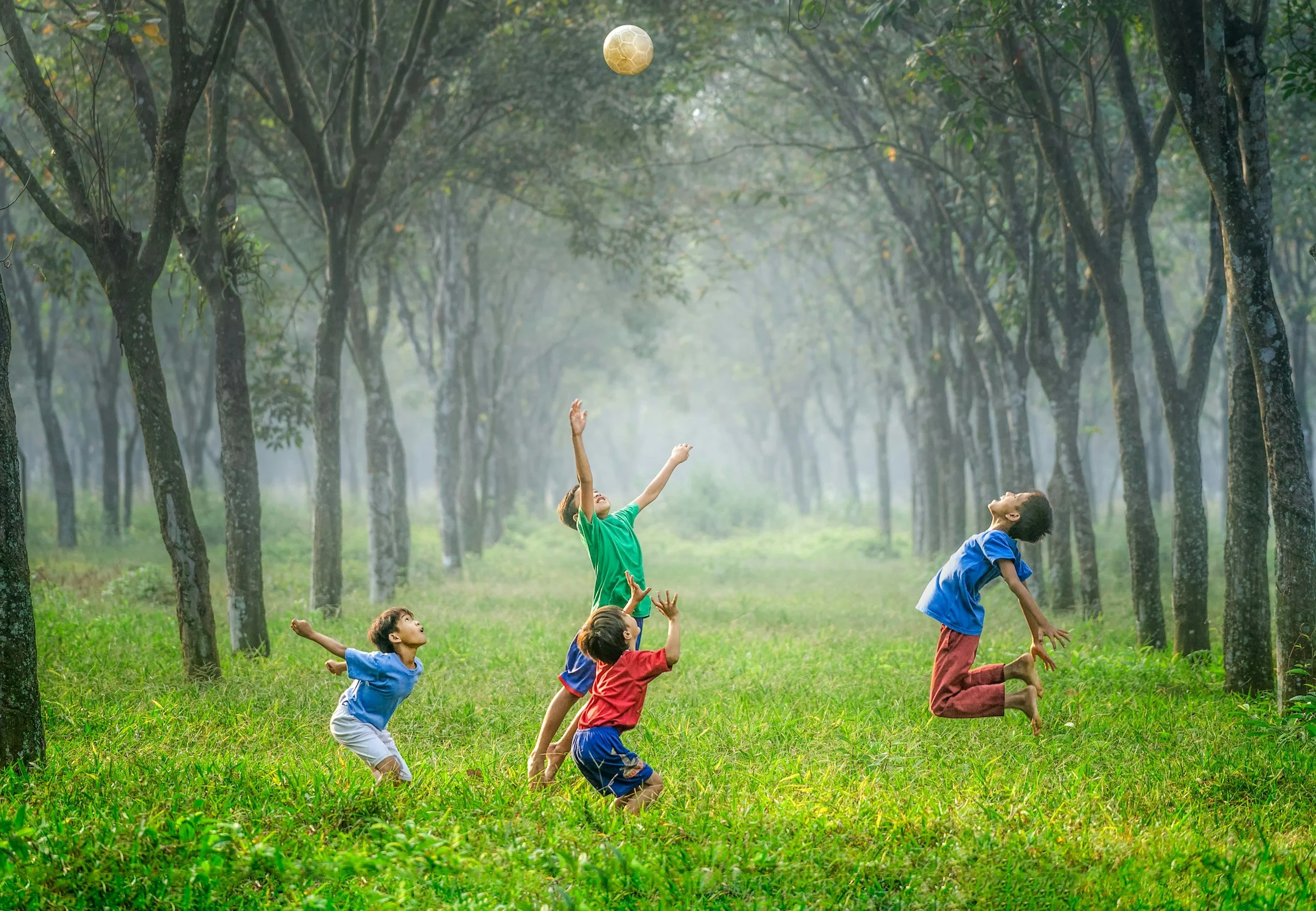
The Essentialness of Play
The Essentials of Play
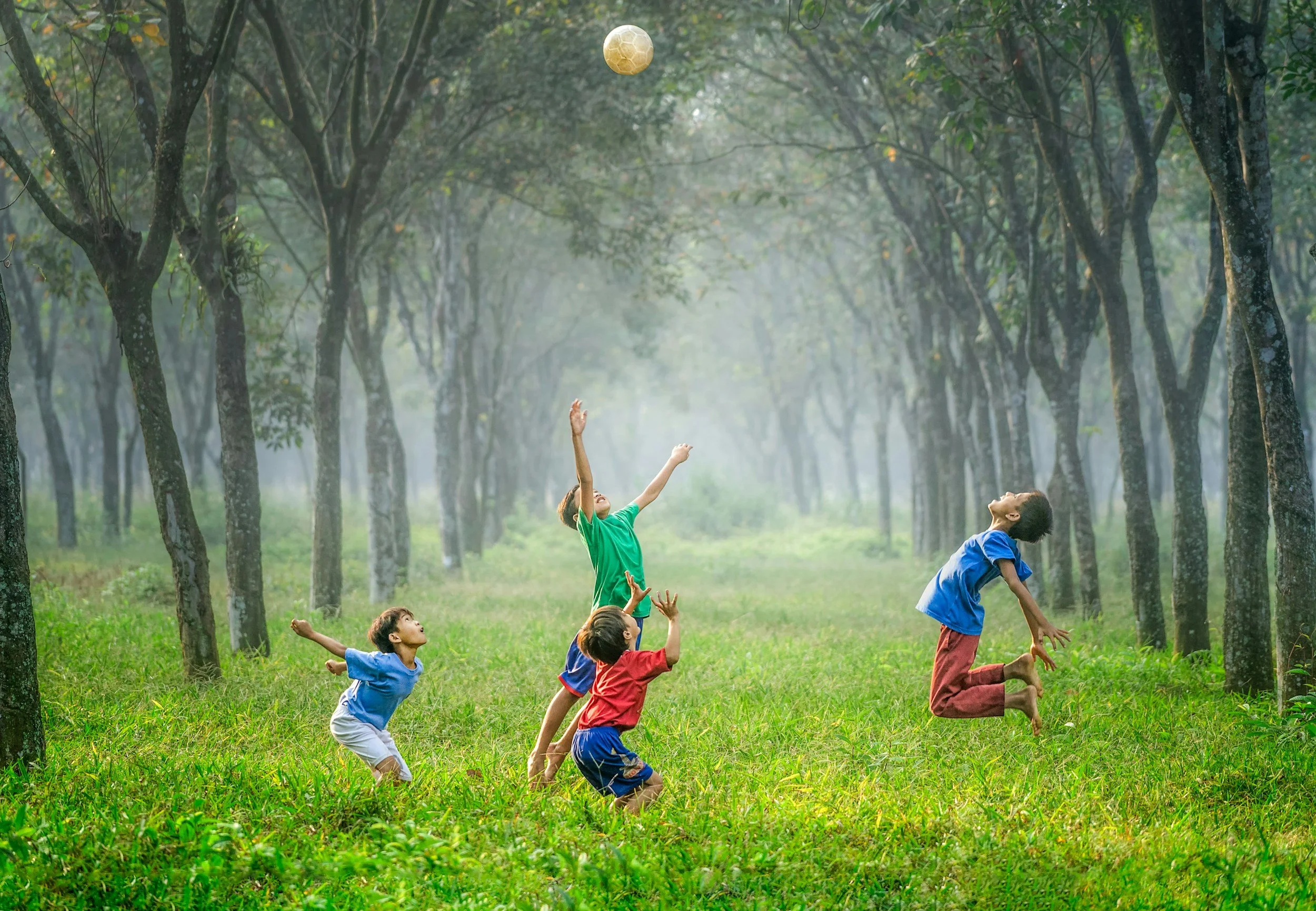
It is common knowledge that play is beneficial for children.
It makes them happy, releases energy, and stimulates imagination. However, within contemporary parenting culture, childhood is increasingly shaped by subtle pressures toward measurable achievement. In this environment, many adults feel compelled to ensure that every activity produces visible learning outcomes. As a result, play is sometimes reframed as an opportunity for instruction rather than understood as a developmental process in its own right.
When adults redirect self-directed play toward predetermined outcomes, they may inadvertently disrupt the very capacities they intend to support. Focus, persistence, creativity, and intrinsic curiosity are strengthened when children sustain attention voluntarily; they are weakened when attention is repeatedly redirected toward externally imposed goals. The issue is therefore not adult involvement but the assumption that learning must always be directed to be meaningful.
Developmental research consistently demonstrates that play is not merely recreational but essential for healthy cognitive, emotional, and social development.
Before children can read fluently, solve complex problems, or follow multi-step instructions, they must first develop underlying cognitive systems that make these abilities possible. These systems, collectively referred to as executive function, include working memory, impulse control, flexible thinking, and self-regulation. Research from the Center on the Developing Child at Harvard University identifies these capacities as among the strongest predictors of academic achievement and long-term wellbeing. Crucially, executive function develops primarily through repeated, meaningful experiences rather than through direct instruction. Such experiences are most naturally encountered in play.
Core Developmental Systems Strengthened Through Play
1. Executive Function
Executive function encompasses the mental processes that enable children to plan, focus attention, remember instructions, and manage multiple tasks. Longitudinal evidence indicates that early self-regulation predicts later academic success more reliably than intelligence measures alone (Moffitt et al., 2011). During play, children practice these skills organically. They follow evolving rules, wait for turns, adapt when conditions change, and attempt new strategies after setbacks. Each of these actions strengthens neural pathways associated with persistence and adaptability. For children with additional learning needs, including attention or regulation differences, play provides repeated opportunities to rehearse these capacities in low-pressure contexts.
2. Emotional Intelligence
Children do not acquire emotional regulation solely through verbal instruction; they develop it through supported experience. Developmental psychologists describe this process as co-regulation, meaning that children learn to manage emotions through interactions that allow them to feel, express, and resolve feelings within safe boundaries. The American Academy of Pediatrics emphasizes that play supports stress regulation, resilience, and social competence. During play, children encounter frustration, excitement, disappointment, and pride. They practice repairing conflicts, negotiating roles, and tolerating uncertainty. These experiences function as rehearsal for real emotional life.
3. Language and Communication
Language development depends fundamentally on interaction. Research led by Hirsh-Pasek and Golinkoff demonstrates that guided play supports deeper vocabulary growth and conceptual understanding than direct instruction alone. Interactive environments consistently outperform passive ones in early language acquisition studies. In play contexts, language has purpose: children explain ideas, negotiate roles, narrate events, and ask clarifying questions. For children with speech or language differences, play also provides alternative channels for communication, including gesture, symbolic action, and visual storytelling. These modes broaden access to expression and comprehension.
4. Cognitive Flexibility and Creativity
Real-world problem solving rarely involves a single correct answer. Play reflects this complexity. When children build, invent, experiment, and revise, they learn that mistakes provide information and that strategies can change. This process strengthens cognitive flexibility, which is widely recognized as a foundational skill for adaptive thinking. A 2022 review published in Frontiers in Psychology links play-based learning to increases in intrinsic motivation, creativity, and persistence. Such capacities are particularly significant in rapidly changing environments that require individuals to adjust to new information and unfamiliar challenges.
5. Intrinsic Motivation
A distinction exists between compliance and curiosity. Compliance may produce immediate results; curiosity sustains long-term learning. Play activates intrinsic motivation, the internal drive to explore, master, and understand. When children experience agency in their activities, they persist longer, take intellectual risks, and recover more readily from setbacks. Intrinsic motivation has been identified as one of the strongest predictors of lifelong learning because it encourages engagement independent of external rewards.
These developmental systems become visible in everyday play. The examples below illustrate how different forms of play strengthen specific capacities.
What Different Types of Play Strengthen
Different forms of play activate distinct developmental systems; together they create a comprehensive foundation for learning. The examples below illustrate what these forms of play can look like in everyday life and the developmental capacities they strengthen.
1. Building play encourages spatial reasoning, planning, and persistence because children must predict outcomes, test structures, and revise designs.
Example: Building a Tower (Lego, Blocks, Cushions…)
What it looks like:
Your child builds something. It falls. They rebuild it. They adjust.
What it’s developing:
Executive Function – planning, sequencing, working memory
Resilience – rebuilding after collapse
Attention Regulation – sustained focus on a goal
Problem-Solving – structural reasoning and spatial awareness
Fine Motor Skills – hand strength and coordination
Language Development – explaining design choices
SEND lens:
Supports children with ADHD through goal-oriented focus bursts.
Supports autistic learners through predictable cause-effect systems.
Supports motor coordination challenges through structured repetition.
2. Pretend play strengthens empathy and perspective-taking as children assume roles and construct narratives that require understanding others’ viewpoints.
Example: Role Play (Shops, Superheroes, Doctors, Families)
What it looks like:
Roles are assigned. Rules are invented. Narratives evolve.
What it’s developing:
Cognitive Flexibility – shifting between roles and perspectives
Emotional Processing – exploring fears, power, relationships
Expressive Language – storytelling, dialogue, negotiation
Social Skills – turn-taking, collaboration, conflict repair
Theory of Mind – understanding others’ viewpoints
SEND lens:
Provides safe rehearsal space for social interactions.
Supports children with speech differences through symbolic expression.
Helps process anxiety through narrative control.
3. Physical play supports coordination, sensory integration, and regulation. Movement activates multiple neural systems simultaneously and increases levels of brain-derived neurotrophic factor, a protein associated with neural growth and memory formation.
Example: Rough-and-Tumble Play (Chasing, Wrestling, Obstacle Courses)
What it looks like:
High-energy movement, laughter, testing boundaries.
What it’s developing:
Self-Regulation – learning when to stop and modulate intensity
Executive Control – inhibiting impulses mid-play
Gross Motor Skills – coordination, balance, strength
Sensory Integration – vestibular and proprioceptive input
Social Boundaries – reading cues, respecting limits
SEND lens:
Highly regulating for children with sensory-seeking profiles.
Can reduce restlessness in ADHD by meeting movement needs proactively.
Supports body awareness in children with coordination differences.
4. Creative play fosters divergent thinking and confidence by allowing children to generate original ideas and adapt them when circumstances change.
Example: Free Creativity (Art, Music, Crafting, Inventing Games)
What it looks like:
Open-ended creation without a prescribed outcome.
What it’s developing:
Divergent Thinking – generating multiple ideas
Creative Confidence – trusting original expression
Planning & Sequencing – organizing steps in a project
Narrative Construction – explaining creative choices
Adaptability – revising when ideas don’t work
SEND lens:
Allows non-verbal expression for children who struggle verbally.
Provides sensory regulation through tactile materials.
Builds confidence through ownership of outcome.
5. Rule-based games develops working memory, patience, and strategic thinking; they also provide opportunities to practice emotional regulation in structured situations involving winning and losing.
Example: Board Games (or Structured Rule-Based Games)
What it looks like:
Turn-taking, rule-following, winning, losing.
What it’s developing:
Working Memory – remembering rules and strategies
Impulse Control – waiting for turns
Strategic Thinking – anticipating outcomes
Emotional Regulation – coping with losing
Social Reciprocity – fairness and shared structure
SEND lens:
Provides predictable frameworks for social interaction.
Helps children practice flexibility in a structured environment.
Supports emotional regulation in manageable doses.
The Challenge of Measuring Play
One reason play is sometimes undervalued is that its outcomes are not always immediately measurable. Worksheets can be counted and tests can be scored; however, qualities such as resilience, curiosity, and adaptability do not lend themselves easily to single-point assessments. Educational research has long noted that many of the most important developmental outcomes emerge gradually and are best observed across time rather than captured in isolated measurements.
Growth often appears first in subtle changes. A child may persist longer before giving up, recover more quickly from frustration, or generate more complex narratives during imaginative play. These shifts may seem minor in the moment; nevertheless, they indicate substantial neurological development. Observing such patterns provides more meaningful insight than relying solely on numerical indicators.
Indicators Parents Can Observe
Instead of asking what score a child achieved, it may be more informative to consider whether the child demonstrates increasing persistence, greater independence in problem solving, clearer explanation of ideas, or improved adaptability when circumstances change. These observations constitute developmental data. They reveal progress in underlying capacities rather than performance on isolated tasks.
The Perspective of Inclusive Development
For children with diverse learning profiles, development often proceeds unevenly. Progress may appear briefly before becoming consistent; for example, a child might pause before reacting, attempt a new strategy after difficulty, or initiate interaction spontaneously. Research on inclusive education indicates that flexible and multi-sensory learning environments enhance engagement for a wide range of learners. Play naturally provides such environments because it allows multiple entry points for participation and expression.
The Long-Term View
Play-based experiences prioritize long-term developmental capacity over short-term output. They strengthen adaptability, creativity, self-regulation, and social understanding. These traits accumulate and interact over time, forming the basis for sustained learning and wellbeing. Although they may not always produce immediate measurable artifacts, they contribute to outcomes that extend far beyond early childhood.
At Young Trees, the guiding principle is that development precedes performance. Educational environments are therefore designed to support the systems that enable learning, including emotional awareness, multi-sensory engagement, and collaborative exploration. The central question is not what a child has produced on a given day but which capacities have been strengthened. When foundational systems are robust, performance improvements follow naturally.
Final Thought
Participating in play with a child, whether by constructing imaginative worlds, inventing stories, or collaborating on creative projects, constitutes meaningful developmental work. Such experiences strengthen neural connections, support emotional regulation, expand language, and cultivate adaptability.
Play should therefore not be regarded as preparation for learning but as one of its primary forms.
References
American Academy of Pediatrics. (2018). The Power of Play: A Pediatric Role in Enhancing Development in Young Children.
Blair, C., & Raver, C. (2015). School readiness and self-regulation: A developmental psychobiological approach. Annual Review of Psychology.
Center on the Developing Child, Harvard University. Executive Function and Self-Regulation Research Briefs.
Hirsh-Pasek, K., & Golinkoff, R. (2016). Becoming Brilliant: What Science Tells Us About Raising Successful Children.
Moffitt, T. et al. (2011). A gradient of childhood self-control predicts health, wealth, and public safety. Proceedings of the National Academy of Sciences.
Ratey, J. (2008). Spark: The Revolutionary New Science of Exercise and the Brain.
CAST. (2018). Universal Design for Learning Guidelines.
Further Reading
For Parents
Alison Gopnik — The Gardener and the Carpenter
A research-informed exploration of child development that challenges the idea that parents must “shape” children into success. Gopnik argues instead that children grow best when adults create supportive environments for exploration, curiosity, and independence.Peter Gray — Free to Learn
Drawing on evolutionary psychology and education research, Gray examines how play functions as a natural learning system. The book explains why self-directed exploration supports resilience, creativity, and problem-solving more effectively than overly structured instruction.Daniel Siegel & Tina Payne Bryson — The Whole-Brain Child
This accessible neuroscience-based guide explains how children’s brains develop and offers practical strategies for supporting emotional regulation, connection, and resilience. It translates complex brain science into everyday parenting approaches.
For Educators
Center on the Developing Child, Harvard University — Executive Function Resources
A collection of research briefs and practical tools explaining how executive function develops, why it predicts long-term outcomes, and how learning environments can intentionally support it.National Association for the Education of Young Children — Developmentally Appropriate Practice
Guidelines grounded in decades of developmental research that outline how teaching methods, environments, and expectations should align with children’s developmental stages.CAST — Universal Design for Learning Framework
A research-based framework for designing learning environments that support diverse learners by providing multiple ways to engage, understand, and express knowledge. Widely used in inclusive education systems.

The Architecture of Adaptability: Why the Four Cs Are Only the Beginning
The Architecture of Adaptability: Why the Four Cs Are Only the Beginning
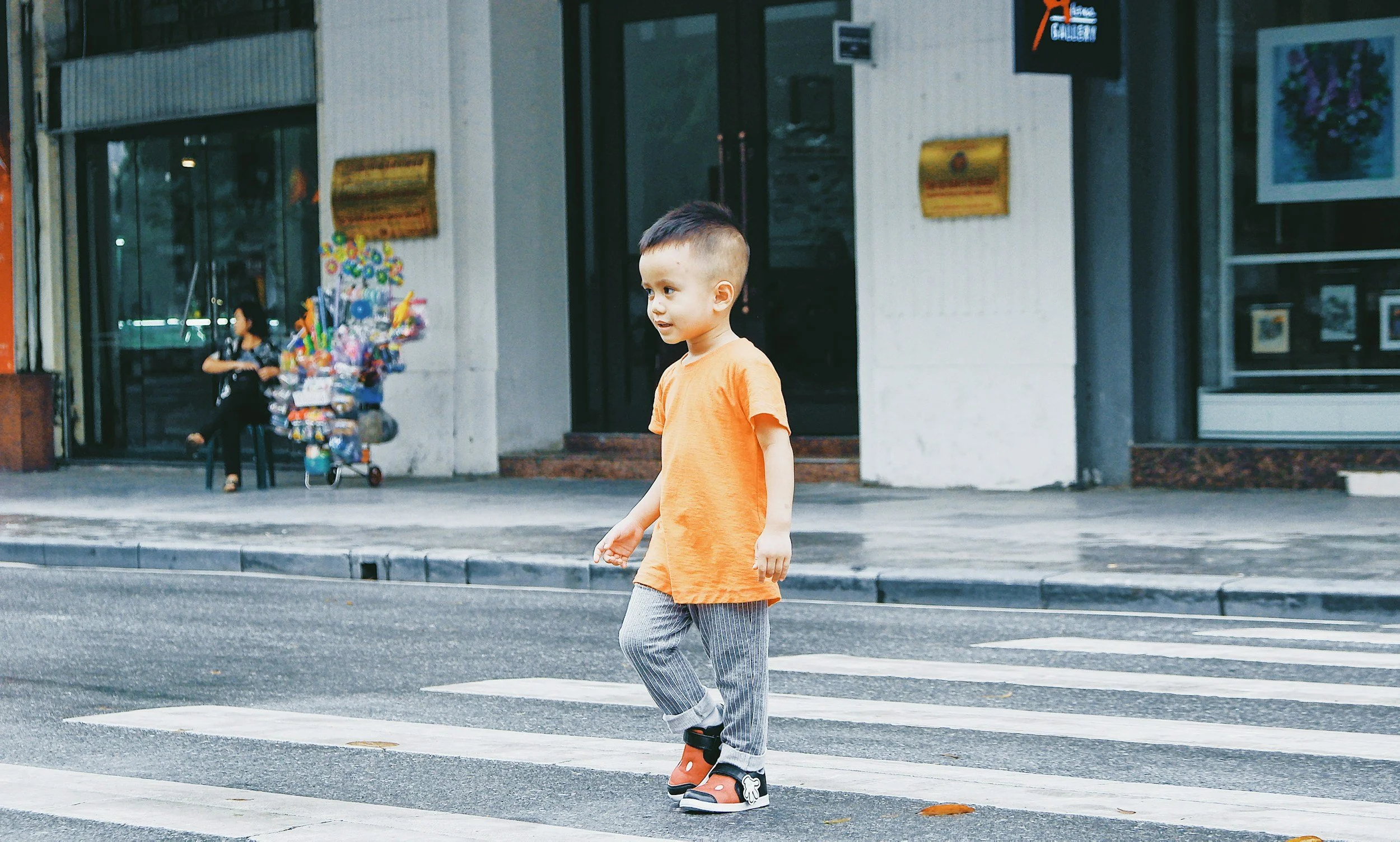
Picture this: your child graduates in 2035. They enter a job market where nearly 40% of today's essential skills have become obsolete, where artificial intelligence handles routine tasks, and where the most valuable human abilities centre on navigating complexity, building relationships, and solving problems that don't yet exist.
The question is, are we preparing them for this reality?
This isn't speculation, it's what leading researchers and organisations like the World Economic Forum tell us about our rapidly evolving future. In this piece, we'll explore why the celebrated "Four Cs" of 21st-century education (Critical Thinking, Communication, Collaboration, and Creativity) represent crucial progress but fall short of what children truly need. We'll examine the real-world impact of each skill, explain why Young Trees advocates for six core competencies rather than four, and show how this approach is already transforming classrooms, reducing teacher overwhelm, and dramatically improving outcomes for all learners, including those with SEND needs.
This analysis draws on peer-reviewed research, global workforce studies, and classroom data, not on educational trends or opinions. Every claim is supported by evidence you'll find referenced at the end.
The Learning Production Crisis: From Factory to Future
The mid-20th century educational model served its purpose: creating a literate, disciplined workforce for stable industrial jobs. Today, that approach collides violently with reality. Children entering school now will work in jobs that don't exist yet, using technologies still being invented, solving problems we haven't anticipated.
According to the World Economic Forum's 2025 Future of Jobs Report, the skills gap isn't just growing, it's accelerating. This is why educators worldwide have embraced the Four Cs as the new foundation of learning. But are they sufficient?
The Four Cs: Essential But Incomplete
Critical Thinking: From Compliance to Judgment
What schools often teach:
Find the answer the teacher expects. Follow predetermined steps. Value speed and accuracy above exploration.
What the real world demands:
Navigate ambiguity. Evaluate incomplete information. Make sound decisions under uncertainty.
Real-world impact for children:
A 12-year-old who develops genuine critical thinking skills doesn't just perform better on tests; they become a teenager who can recognise misleading social media posts, evaluate conflicting advice from friends, and make thoughtful decisions about their future. As adults, they become employees who spot potential problems before they escalate, citizens who engage thoughtfully with complex political issues, and parents who model reasoning rather than reactivity.
Consider this:
Analytical thinking now ranks as the #1 skill employers seek, yet most schools still reward convergent thinking, arriving quickly at predetermined "correct" answers. Children who learn to question, analyse, and iterate don't just become better students; they become more resilient, independent, and capable human beings.
Communication: Beyond Performance to Connection
What schools often teach:
Formal presentations. Standardised writing formats. Speaking louder to be heard.
What the real world demands:
Translate between human needs and technical possibilities. Build understanding across differences. Navigate emotional complexity in professional settings.
Real-world impact for children:
A child who develops nuanced communication skills becomes a teenager who can advocate effectively for themselves, build genuine friendships across social differences, and express their needs clearly to adults. Professionally, they become the team member who prevents conflicts before they start, the leader who inspires rather than commands, and the innovator who can explain complex ideas to diverse audiences.
Consider this:
As AI handles routine writing and technical output, human value increasingly lies in our ability to create understanding, build trust, and navigate the emotional landscape of collaboration. Most professional failures aren't technical; they're relational.
Collaboration: From Competition to Ecosystem Thinking
What schools often teach:
Individual achievement. Competition over cooperation. "Don't look at your neighbor's paper."
What the real world demands:
Diverse perspectives accelerate problem-solving. Shared ownership improves outcomes. Mutual support enables everyone's success.
Real-world impact for children:
Children who truly learn collaboration don't just work well in groups; they become adults who can build effective teams, navigate workplace politics with integrity, and create environments where others thrive. They understand that their success and others' success aren't competing interests but mutually reinforcing possibilities.
These individuals become managers who develop their teams' strengths, community members who organise effective local initiatives, and parents who model cooperation over control. In our interconnected world, collaborative skills directly predict career advancement and life satisfaction.
Creativity: The Automation-Proof Advantage
What schools often teach:
There's a right way to approach problems. Follow instructions precisely. Avoid mistakes.
What the real world demands:
Generate novel solutions. Reframe problems when first approaches fail. Adapt quickly to unexpected challenges.
Real-world impact for children:
A child who develops genuine creativity becomes a teenager who can pivot when their original university plans change, find innovative solutions to social conflicts, and discover unique ways to contribute to their community. As adults, they become employees who drive innovation, entrepreneurs who create new possibilities, and individuals who maintain hope and possibility even in the face of significant challenges.
Creativity isn't just about art; it's the foundation of resilience. When automation handles routine tasks, creative problem-solving becomes the distinctly human contribution that drives progress.
Beyond the Four Cs: Why Young Trees Advocates for Six
While the Four Cs create a strong foundation, real-world adaptability requires two additional pillars that transform how all other skills function.
Emotional and Social Awareness: The Skill That Makes All Others Usable
What this looks like in practice:
Children learn to recognise their own emotional states, understand others' perspectives, and navigate social dynamics with empathy and skill.
Real-world impact for children:
Without emotional intelligence, critical thinking becomes brittle under pressure, communication becomes transactional, and collaboration breaks down when tensions arise. Children who develop these skills become adults who can:
Lead teams through difficult transitions
Maintain relationships during conflicts
Make decisions that consider both logical and emotional factors
Create psychologically safe environments for others
Regulate their own stress and support others in managing theirs
Divergent Thinking: Beyond Single Solutions
What this looks like in practice:
Children learn to generate multiple possibilities, explore unconventional approaches, and resist the pressure to find one "right" answer quickly.
Real-world impact for children:
In a world of complex, interconnected challenges, the ability to see multiple pathways becomes essential. These children become adults who can:
Approach problems from fresh angles when traditional solutions fail
Generate options in situations that seem impossible
Help others move beyond either/or thinking toward creative alternatives
Drive innovation in their chosen fields
Maintain flexibility when circumstances change unexpectedly
The Classroom Reality: Why This Matters Now
The urgency isn't theoretical. Current classroom data reveals:
7 minutes lost per 30-minute lesson due to behavioural disruption
1 in 6 learners have identified SEND needs, yet most receive inadequate support
Teachers spend 3+ hours weekly creating differentiated resources
87% of teachers feel unprepared for diverse learning needs
SEND exclusion rates are six times higher than their peers
These aren't edge cases; they describe everyday reality. When children lack emotional regulation, collaborative skills, or meaningful engagement, teachers become reactive managers rather than proactive facilitators of learning.
Re-Engineering Learning Conditions
At Young Trees, we focus on creating conditions where all children can thrive, not forcing everyone through identical pathways at the same pace. Our approach centres on three principles:
Adult-Facing Technology: Children learn best through human interaction and hands-on exploration, not screens. Our tools empower educators and parents to create rich, personalised experiences.
Inclusive by Design: These skills manifest differently in every child. Multi-sensory scaffolding meets learners where they are, supporting diverse strengths and needs.
Growth Over Production: Instead of asking "What did you produce today?" we ask "How did you grow today?"
When the conditions align, like soil, light, and space for trees, every child grows. Not at the same speed, but with the strength and flexibility needed for an uncertain future.
The Path Forward
The choice isn't between traditional education and something entirely new. It's between preparing children for the world we knew and preparing them for the world they'll actually inhabit. The research is clear: children need more than the Four Cs to thrive in the decades ahead.
The question isn't whether these skills matter; it's whether we'll create the conditions for all children to develop them.
---
References
Dumont, H., & Ready, D. D. (2023). On the promise of personalized learning for educational equity. npj Science of Learning, 8(25).
Murnane, R. J., & Levy, F. (1996). Teaching the New Basic Skills: Principles for Educating Children to Thrive in a Changing Economy. New York: Free Press.
Pane, J. F., Steiner, E. D., Baird, M. D., & Hamilton, L. S. (2015). Continued progress: promising evidence on personalized learning. Santa Monica, CA: RAND Corporation.
Robinson, K. (2006). Do schools kill creativity? TED Talk by Ken Robinson.
UK Department for Education. (2024). Classroom disruption and learning time analysis.
World Economic Forum. (2025a). The Future of Jobs Report 2025. Geneva: World Economic Forum.
World Economic Forum. (2025b). Skills outlook, in The Future of Jobs Report 2025. Geneva: World Economic Forum.
Further Reading
For Parents
Accessible, inspiring resources that focus on whole-child development, resilience, and creating the right conditions for growth at home and school:
The Gardener and the Carpenter by Alison Gopnik
A powerful metaphor-driven exploration of child development that emphasises nurturing environments over controlling outcomes.How Children Succeed by Paul Tough
Examines how character, social-emotional development, and context shape long-term success.Mindset by Carol Dweck
A foundational look at how beliefs about learning influence motivation, resilience, and growth.Range by David Epstein
Makes the case for exploration, play, and breadth as key drivers of adaptability in an uncertain world.
For Educators
Research-backed frameworks and practical resources for building future-ready, inclusive, whole-child learning environments:
OECD — Education 2030 Framework
A global perspective on student agency, future-ready competencies, and holistic learning design.CASEL (Collaborative for Academic, Social, and Emotional Learning)
Evidence-based tools and research on social-emotional learning and its impact on academic and life outcomes.Harvard Graduate School of Education – Project Zero
Research and classroom resources focused on visible thinking, creativity, and deep understanding.
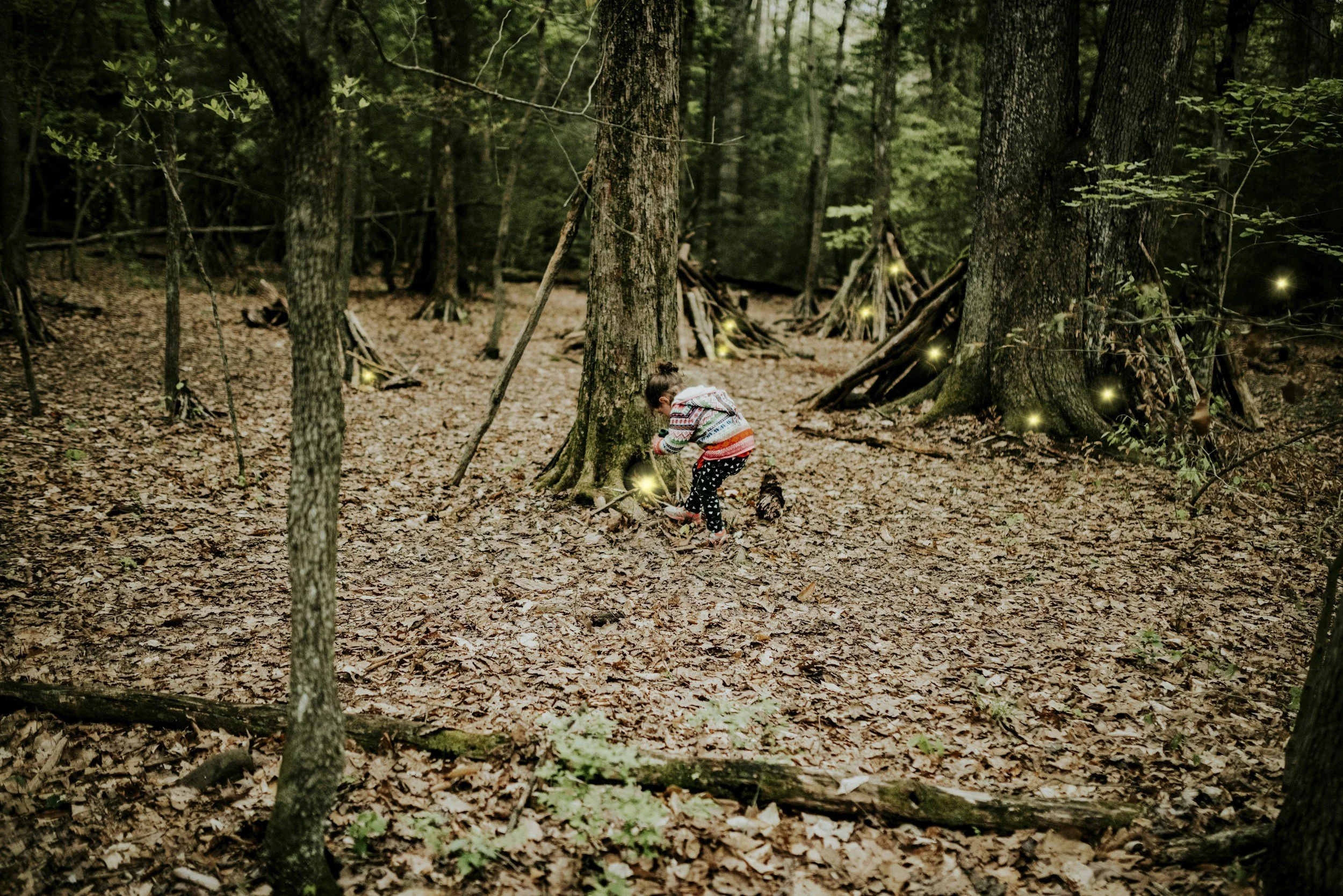
Young Trees Education: A Philosophy for Learning
Young Trees Education: A Philosophy for Learning
The World Children Are Growing Into
It is not controversial to say that children today are growing up in a world very different from the one schools were originally designed for. Technology evolves faster than curricula can keep up. Entire industries appear and disappear within a single generation.
Meanwhile, the skills children will rely on most in adult life, such as creativity, adaptability, critical thinking, and communication, are rarely those that receive the greatest emphasis in classrooms.
As educational philosopher Sir Ken Robinson observed:
"We are educating people out of their creativity... We don't grow into creativity, we grow out of it. Or rather, we get educated out of it."
Much of education still operates on the assumption that one size fits all: that children should move at the same pace and succeed within rigid systems that leave little room for difference.
But one-size-fits-all doesn't fit anyone. Children who cannot fit, or force themselves, into this mould are often left behind.
At Young Trees, we believe it's time to stop asking, "Why isn't this child keeping up?" and start asking, "Are the conditions right for them to grow?"
Why Young Trees?
The name Young Trees captures a fundamental truth about development:
Growth is non-linear. A tree needs strong roots before it can grow tall. Some trees take years to establish themselves underground before visible growth appears above the surface.
Environment is everything. A tree's success depends on the soil, the light, and the space it's given to flourish.
Every tree grows differently. An oak doesn't grow like a willow. A sapling in shade needs different conditions than one in full sun.
When a tree doesn't grow, we don't blame the tree. We look at the conditions.
Education should work the same way.
Moving Beyond "Production"
Education today is under pressure, and so are the people inside it. Yet, this isn't a story about failing teachers or disengaged families. It's just that, somewhere along the way, education stopped asking how children grow and started focusing almost entirely on what they produce.
This shift has come at a real cost:
For Teachers: Working within systems that demand more than time or resources allow, while being asked to meet increasingly diverse needs by following rigid structures that weren't designed with that diversity in mind.
For Parents: Receiving advice that quietly implies they should be doing more, earlier, and better—without the support to actually do it.
For Children: Being assessed, tracked, and labelled earlier than ever before. For children who don't fit neatly into the middle, those with additional needs, uneven development, or different ways of learning, the pressure can feel constant.
We believe children are not projects to be optimised. They are living systems that grow in stages, and each stage requires the right conditions.
Our Learning Philosophy: Growth Over Pressure
At Young Trees, we design for 21st Century Skills, the competencies children actually need to thrive in a rapidly changing world:
Communication – Expressing ideas clearly across different contexts
Critical Thinking – Analysing, questioning, and problem-solving
Creativity – Generating original ideas and solutions
Collaboration – Working effectively with diverse groups
Global Awareness – Understanding interconnected world issues
Cultural Literacy – Appreciating diverse perspectives and histories
Emotional Intelligence – Recognising and managing emotions in self and others
Flexibility and Adaptability – Responding constructively to change
These aren't nice-to-haves. They're essential for a generation navigating complexity, uncertainty, and constant change.
How We Support Growth: Our Approach
Young Trees creates tools for adults that make teaching and learning more engaging while developing practical skills, innovation, and real-world competencies.
Our tools are designed around three core principles:
1. Play-Based Learning
Play is how children naturally explore, experiment, and make sense of the world. It's not frivolous, it's foundational. Our resources encourage hands-on discovery, imagination, and intrinsic motivation.
2. Interest-Based Learning
When children learn about what genuinely interests them, whether that's dinosaurs, space, storytelling, or building, engagement soars. We help educators and parents tap into these natural curiosities to develop core skills.
3. Inclusive by Design (SEN Support)
Every child deserves to feel capable. Our tools incorporate inclusive practices and Special Educational Needs (SEN) support from the ground up, not as an afterthought. This means flexible formats, multi-sensory approaches, and scaffolding that meets learners where they are.
A Note on Technology
Yes, we're developing EdTech products, and we're excited to share them with you soon! But here's what makes us different: our products are adult-facing.
We do not want children learning from screens.
Our tools empower teachers and parents to create rich, hands-on, human-centred learning experiences. Technology should serve growth, not replace it.
Building a Growing Ecosystem
Young Trees isn't a single product; it's a commitment to creating the right conditions for long-term growth through practical action.
We're building tools that:
Make inclusive, future-ready learning achievable for busy teachers
Give parents evidence-informed guidance that avoids pressure or punishment
Reframe support so it provides dignity rather than just "managing" difference
Foster the skills children will actually use in life, not just on tests
Who Is Behind Young Trees?
The team at Young Trees comprises education specialists, teachers, educational publishers, and entrepreneurs. We all "succeeded" within the confines of the current education system. We all went to top UK universities and met the conventional benchmarks.
But we saw the weaknesses from the inside. We saw creativity rewarded only when it fit a narrow framework. We learned that doing well in a system doesn't mean the system is strong; it often just means you happened to fit it.
Education shouldn't only work for children who can adapt to it. It should work for children as they are.
Join the Growth
Young Trees is still growing. We're learning and building alongside teachers, parents, and children.
If you believe education should be about growth rather than pressure, we're glad you're here.
Because when the conditions are right, every tree grows, in its own way, in its own time.
Young Trees Education
Creating the conditions for every child to flourish.